
Homelands

“Our connection to country is an umbilical cord”
Mark Yingiya Guyula MLA
A homeland is a remote area where a small population of Aboriginal people lives, on lands to which they have traditional or historical ties. There are more than 500 recognised homelands in the NT. Of those, 394 are currently funded to receive municipal and essential services.
Around 7000 people live on homelands, and another 40,000 are linked to a homeland though they live in a larger community. Hence around 47,000 people – more than half of the Aboriginal population of the NT – are directly connected to a homeland either because they live there or spend time there with family.
Beginnings
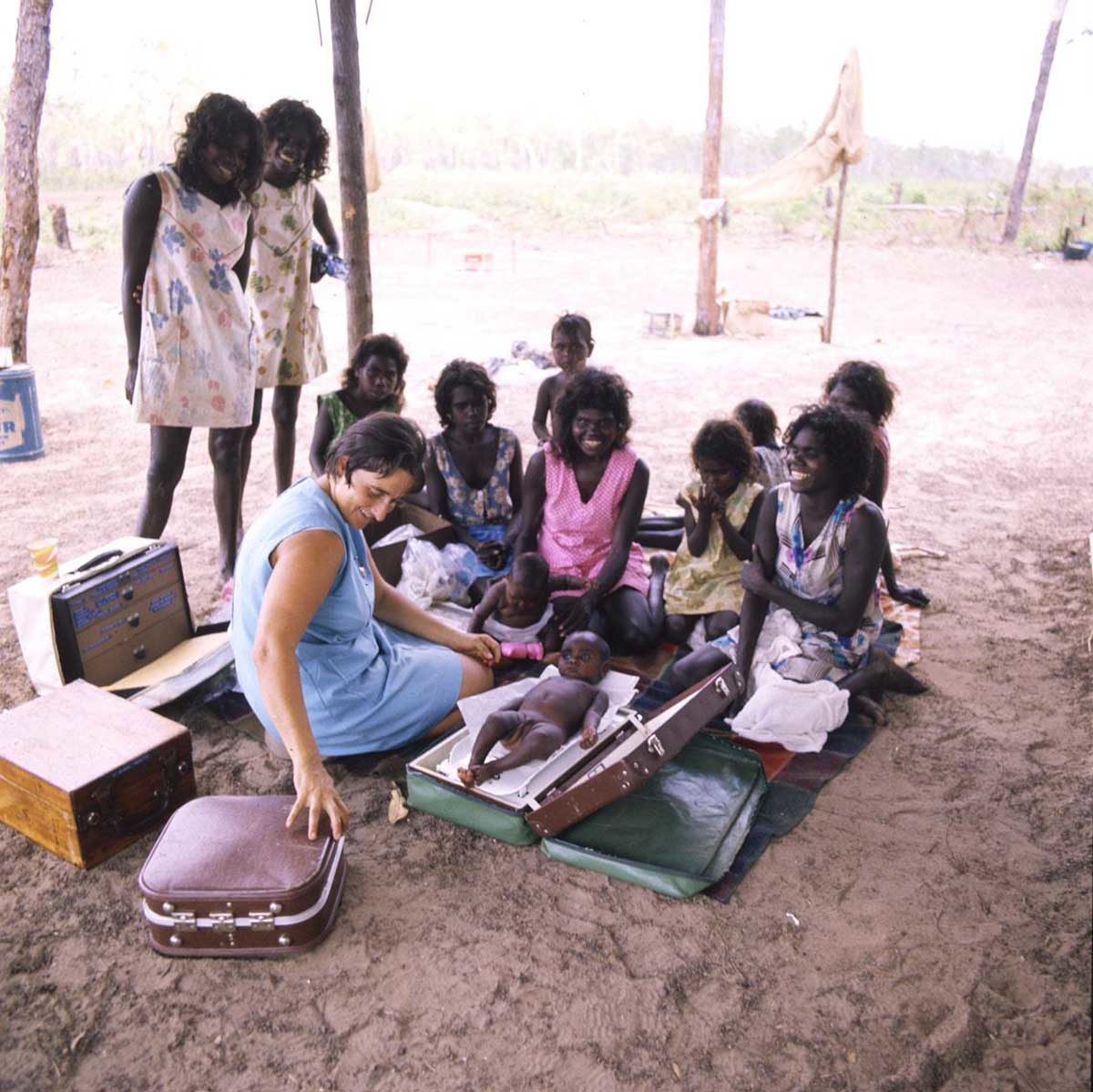
The homelands movement began over 50 years ago. It was a significant development in Aboriginal affairs nationally – a visible demonstration of Aboriginal people across the NT asserting their rights and obligations to their traditional lands.
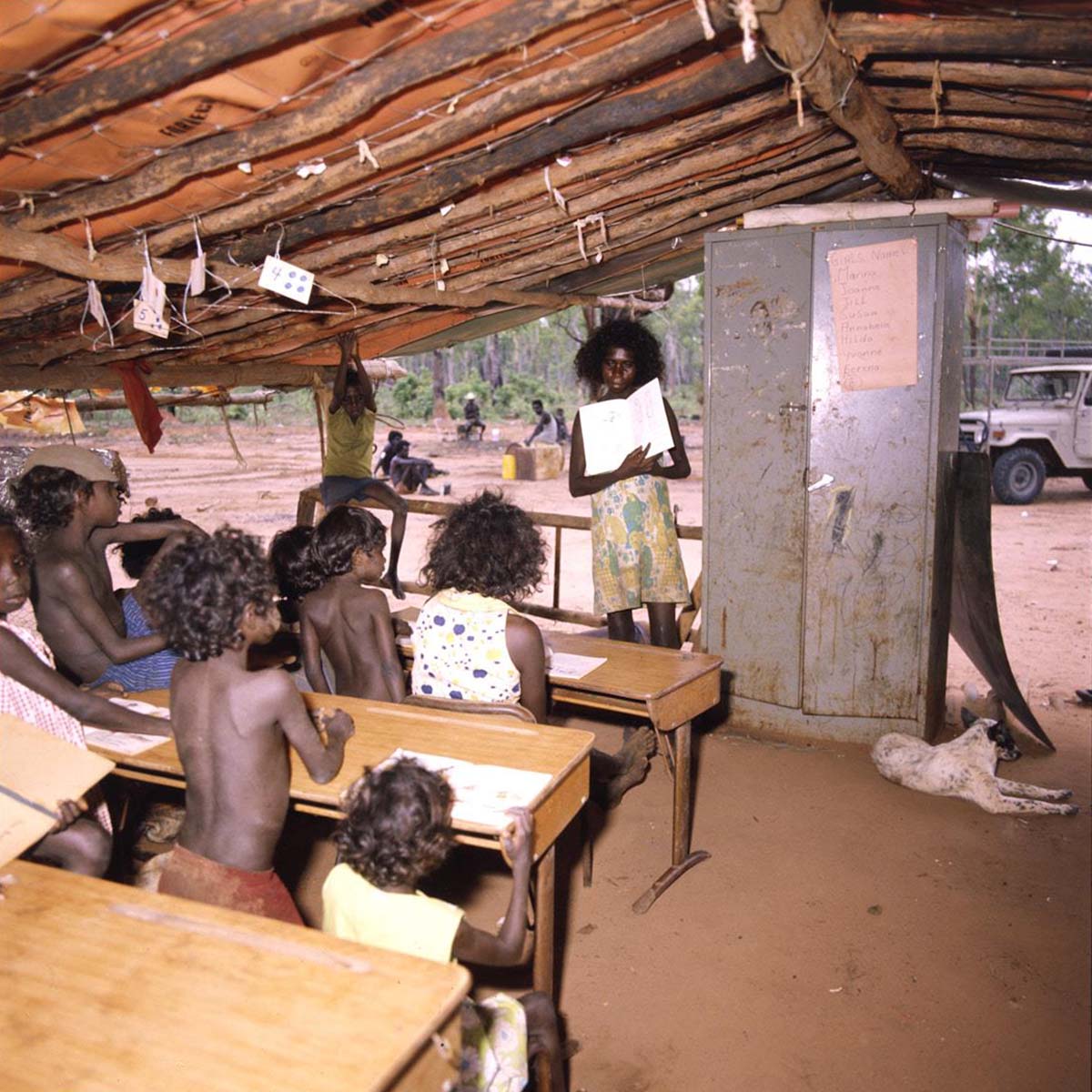
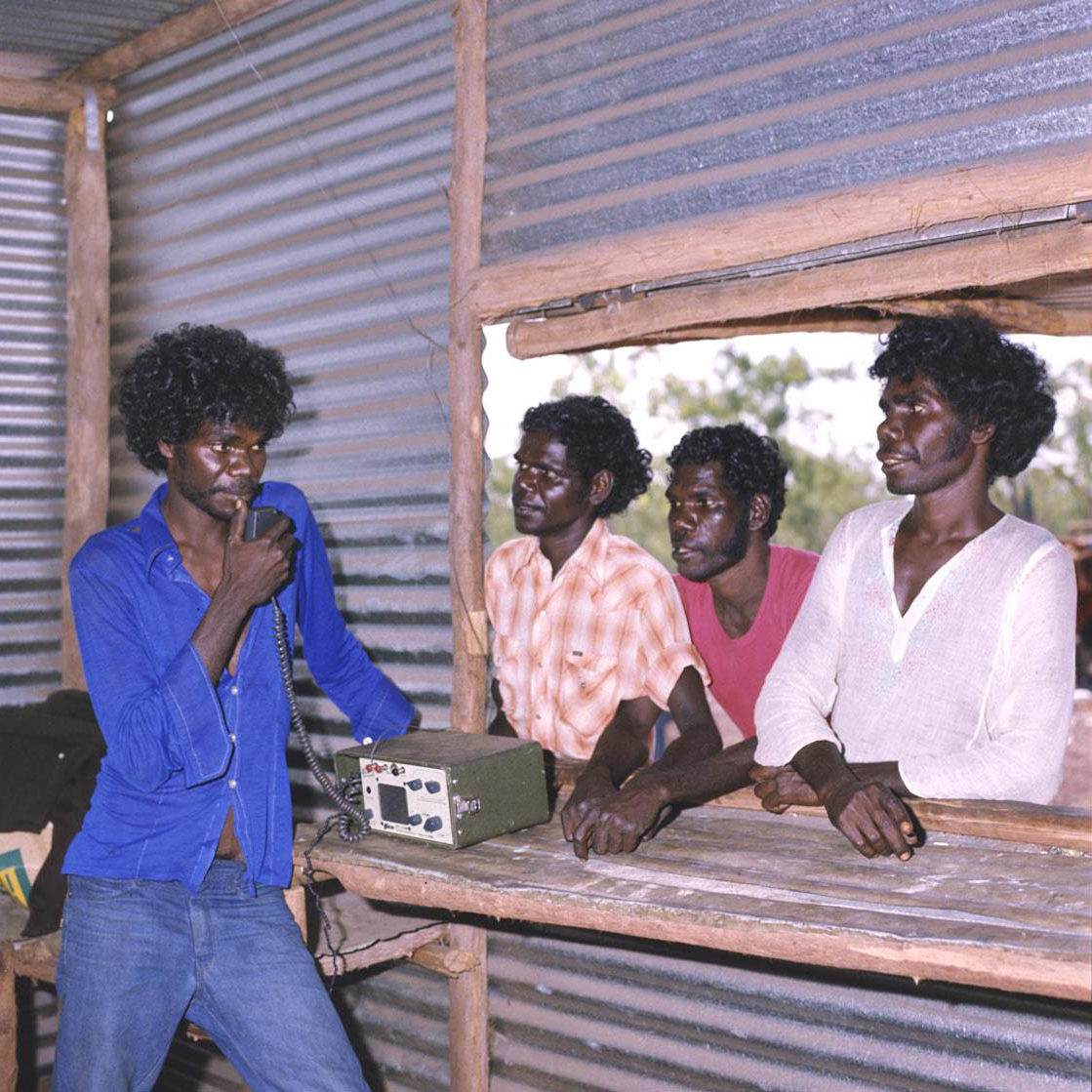
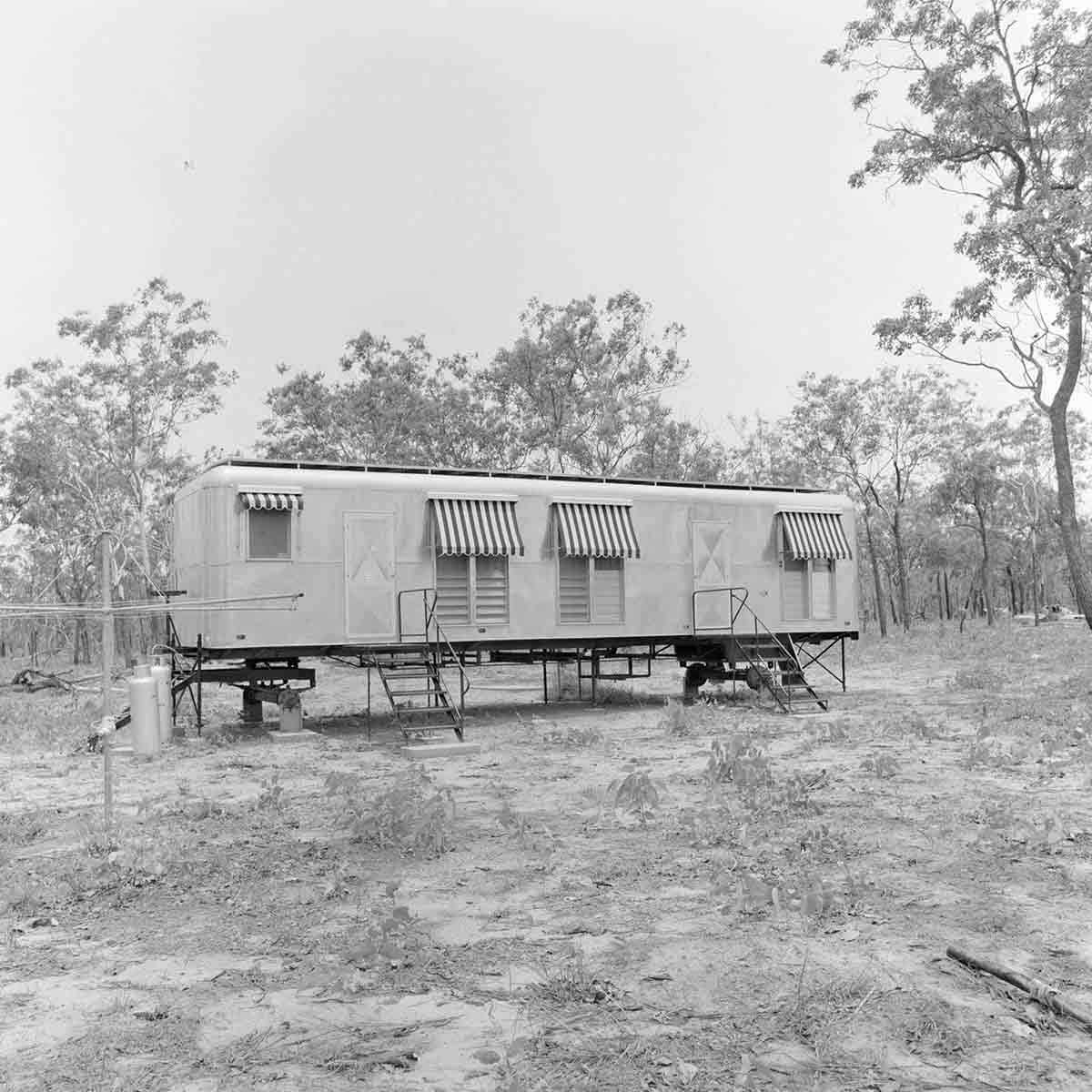
When first established in the 1970s and 1980s, a homeland could receive a few thousand dollars, called an establishment grant, from the Commonwealth Department of Aboriginal Affairs. Physical infrastructure was largely left to Aboriginal people themselves to design, build and manage. Families carried water in buckets, cleared airstrips and roads and dug toilets by hand. Residents are proud of how they overcame barriers through hard work and determination, building their own communities on their ancestral estates.





Enduring benefits
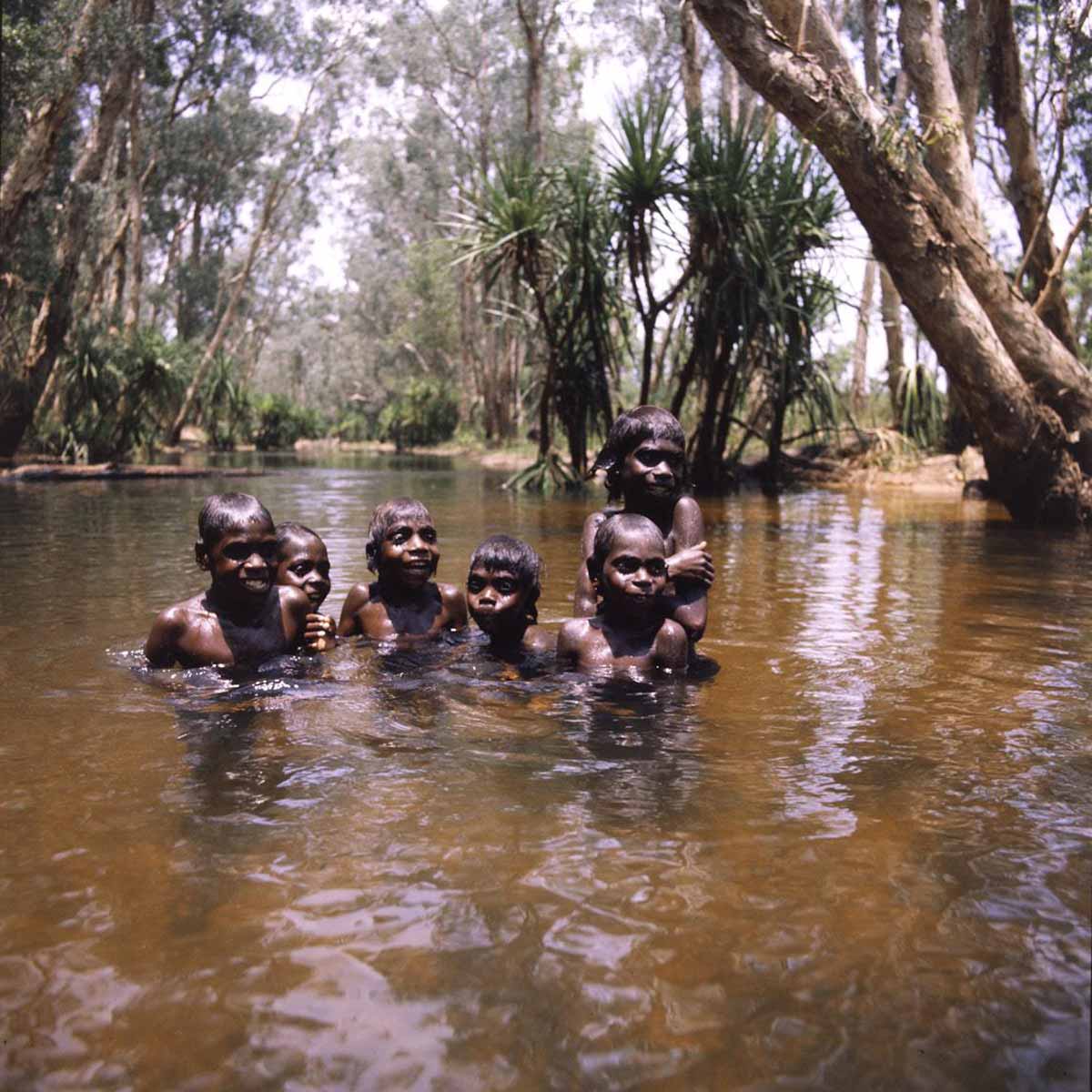
Homelands are a unique part of the Aboriginal social and cultural landscape, enabling people to live on country, and providing social, spiritual, cultural, health and economic benefits.
- Homelands nourish Aboriginal people and enable them to sustain cultural practices including kinship obligations and ceremonies. Many homelands are governed mainly through traditional kinship structures.
- Cultural burning practices mean that homelands country is healthy country.
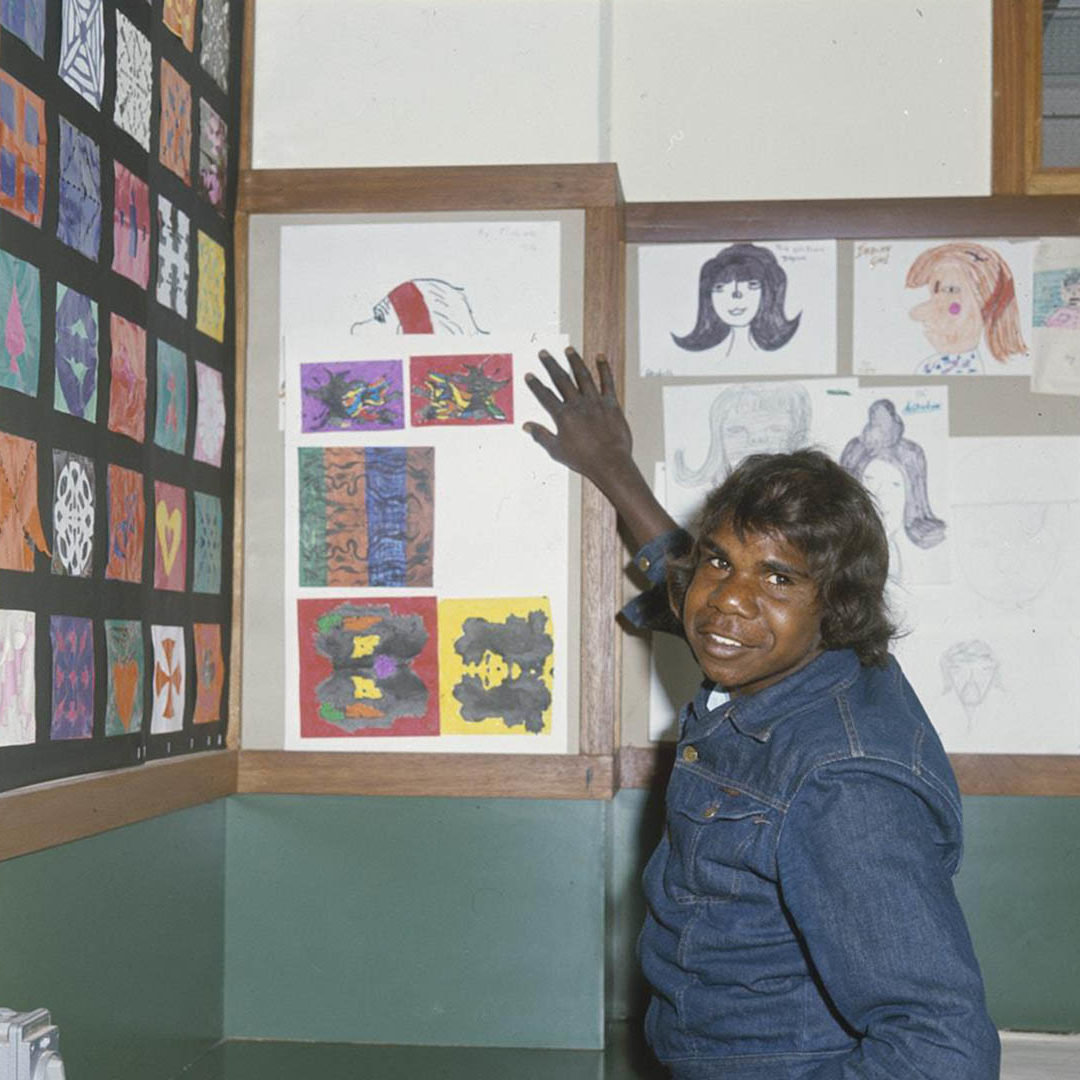
- Homelands give Aboriginal people resources and inspiration to make wonderful art that is acclaimed around the world.
- During the Covid-19 pandemic, homelands provided alternative and safe accommodation for Aboriginal people.
As NT independent Member for Mulka, Mark Yingiya Guyula MLA says: ‘Our connection to country is an umbilical cord.’
Future focus on policy
Most homelands are located on Aboriginal land held by Aboriginal land trusts established under the Aboriginal Land Rights (Northern Territory) Act 1976 (ALRA). A small number have other statutory tenures, such as community living areas (CLAs) or parcels of land within national parks. The process to formally establish a new homeland with infrastructure usually involves the relevant land council.
Housing in homelands is communally owned under the ALRA. There is no overarching policy that clearly defines the roles and responsibilities of the Australian and NT governments and the land councils – who owns the assets on Aboriginal land trusts; how rents can be levied; how assets might be privately owned and therefore become tradeable; and who has responsibility to maintain housing and essential infrastructure, so homelands housing and infrastructure is unregulated. Homelands are beyond the NT’s declared ‘building control areas’ (where all housing construction must have a building permit and meet the standards for building in the National Construction Code and Building Regulations). As a result, buildings and other infrastructure (power, water and sewerage) may be substandard.
Hope for the future
In 2023, the Australian Government announced a new investment of $100 million in homelands housing and infrastructure, for urgent repairs and maintenance. We hope that this funding injection is the beginning of a long-term commitment to homelands.
Map of homelands
Photo: Delegates to the 2023 Remote Housing and Homelands conference