Our Country of 38 languages
“Our connection to country is an umbilical cord”
Mark Yingiya Guyula MLA
There are approximately 100 in the Northern Territory
Remote Aboriginal communities
First emerging in the 1970s, there are now 43 town camps in the Territory
Just four places qualify as urban in the NT: Greater Darwin, Katherine, Tennant Creek & Alice Springs
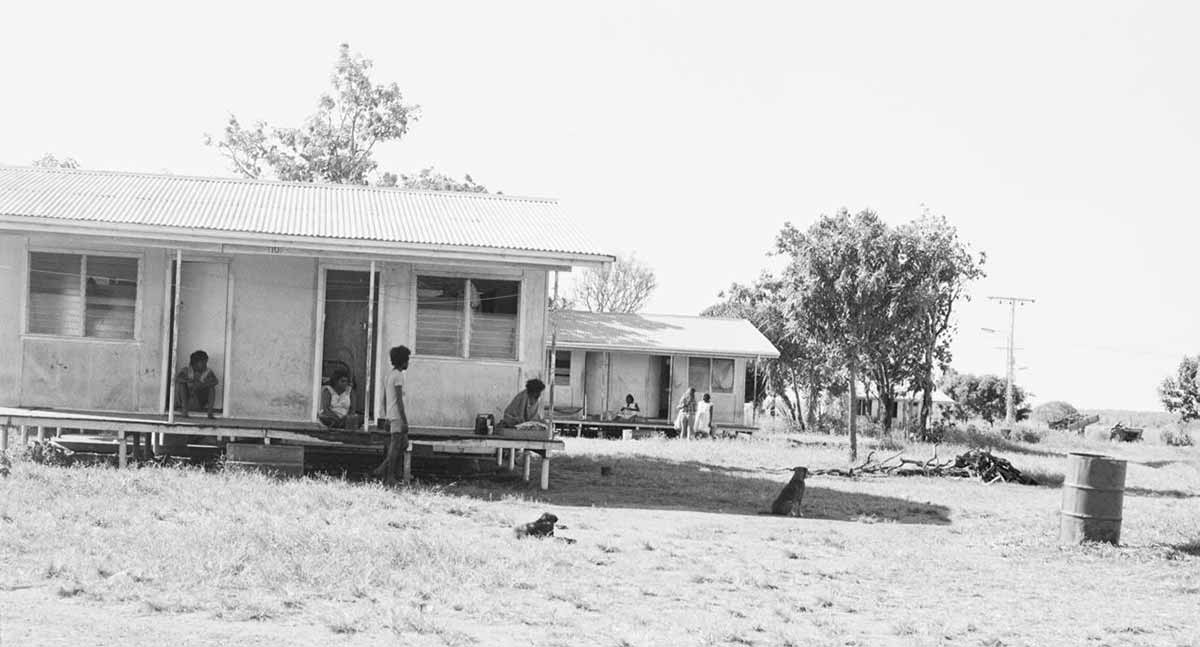
What is a Homeland?
“Our connection to country is an umbilical cord”
Mark Yingiya Guyula MLA
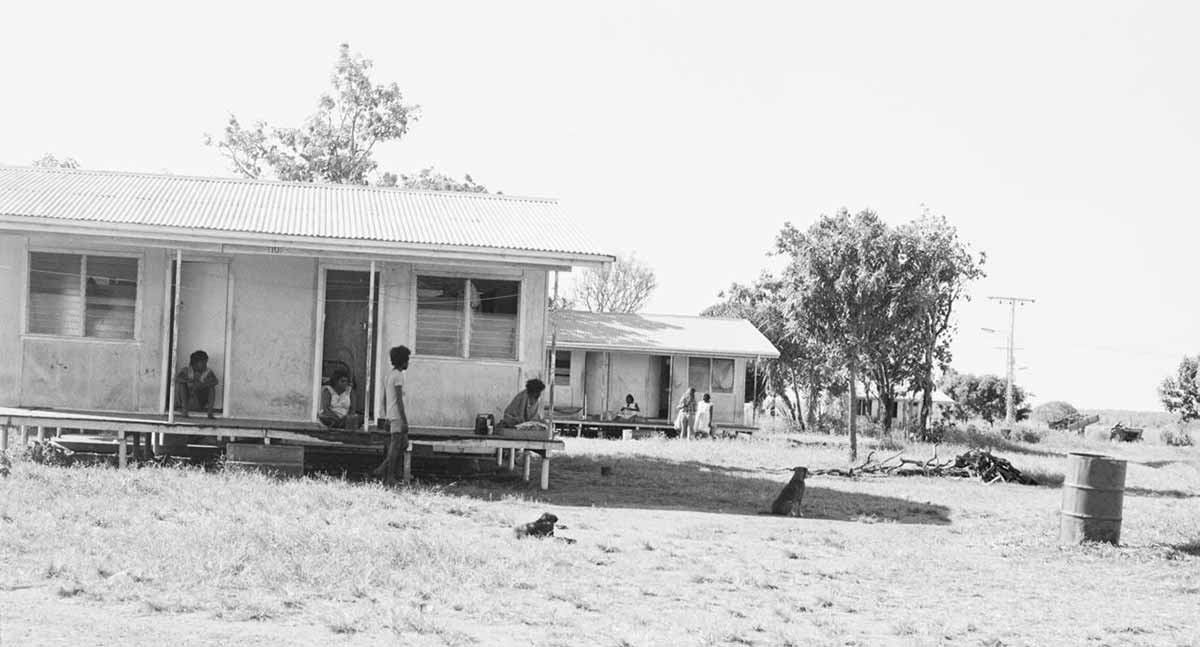
A homeland is a remote area where a small population of Aboriginal people lives, on lands to which they have traditional or historical ties. There are more than 500 recognised homelands in the NT. Of those, 394 are currently funded to receive municipal and essential services. More than half of the Aboriginal population of the NT are directly connected to a homeland either because they live there or spend time there with family.
Enduring benefits
Homelands are a unique part of the Aboriginal social and cultural landscape, enabling people to live on country, and providing social, spiritual, cultural, health and economic benefits.
- Homelands nourish Aboriginal people and enable them to sustain cultural practices including kinship obligations and ceremonies. Many homelands are governed mainly through traditional kinship structures.
- Cultural burning practices mean that homelands country is healthy country.
- Homelands give Aboriginal people resources and inspiration to make wonderful art that is acclaimed around the world.
- During the Covid-19 pandemic, homelands provided alternative and safe accommodation for Aboriginal people.
As NT independent Member for Mulka, Mark Yingiya Guyula MLA says: ‘Our connection to country is an umbilical cord.’
Future focus on policy
Most homelands are located on Aboriginal land held by Aboriginal land trusts established under the Aboriginal Land Rights (Northern Territory) Act 1976 (ALRA). A small number have other statutory tenures, such as community living areas (CLAs) or parcels of land within national parks. The process to formally establish a new homeland with infrastructure usually involves the relevant land council.
Housing in homelands is communally owned under the ALRA. There is no overarching policy that clearly defines the roles and responsibilities of the Australian and NT governments and the land councils – who owns the assets on Aboriginal land trusts; how rents can be levied; how assets might be privately owned and therefore become tradeable; and who has responsibility to maintain housing and essential infrastructure, so homelands housing and infrastructure is unregulated. Homelands are beyond the NT’s declared ‘building control areas’ (where all housing construction must have a building permit and meet the standards for building in the National Construction Code and Building Regulations). As a result, buildings and other infrastructure (power, water and sewerage) may be substandard.
What is a community living area?
A community living area (CLA) is a small Aboriginal living area carved out from a pastoral lease. There are approximately 100 in the Northern Territory.
The Land Rights Act 1976
When the Australian Government passed the Aboriginal Land Rights (NT) Act 1976 it gave many Aboriginal Territorians a way to reclaim their traditional lands, or lands to which they have a historical connection.
But land that had been leased for a pastoral property, or for a mine or similar purpose, it was impossible to claim it back.
Small parts of pastoral leases are ‘crown land’ – stock routes and reserves. So in the 1980s, many Aboriginal people lodged a claim on one of those areas. Station lease-holders protested.
Governments compromise, CLAs emerge
Without consulting Aboriginal people, in 1989 the Australian and Territory governments agreed to:
- return some areas to traditional custodians
- amend the Land Rights Act so that it would no longer be possible to claim land used for stock routes or reserves
- make laws (in the Territory parliament) to enable Aboriginal people to apply for small CLAs to be carved out of pastoral leases
CLA’s are a good deal for Aboriginal people
For people who have been dispossessed of their traditional lands, CLAs are a small concession that they might be able to win (through a long and difficult process). For some communities, a CLA meant stronger tenure, because by the late 1980s they had no formal lease.
Many CLAs evolved from Aboriginal pastoral communities that formed in the late 1970s and early 1980s, when they negotiated a sub-lease or special-purpose lease from the main lease-holder. In order to transform that arrangement into a CLA, the residents were often forced to move further away from the station homestead so the CLA is not a silver bullet.
Each CLA title is held by a community corporation or association. It cannot be resumed by the government, or sold, and it enables Aboriginal people to prevent some mining and exploration.

Remote Aboriginal communities
In 2007 the Australian Government staged the ‘Northern Territory Emergency Response’. Commonly known as the Intervention, it brought sudden changes, restrictions and initiatives to dozens of remote Aboriginal communities. The land under 65 Aboriginal communities was compulsorily acquired, and tenancy arrangements for the residents changed.
There are now 73 remote Aboriginal communities that receive essential services via the NT Government – see the map below. They are very diverse in terms of their size, origins and circumstances:
- Some are big towns – Maningrida, Galiwin’ku, Wadeye.
- Others are small settlements – Tara, Amanbidji, Wallace Rockhole.
- Some started or grew a lot with the founding of a religious mission – Hermannsburg, Yirrkala, Santa Teresa, Ngukurr, Angurugu, Wadeye, Galiwin’ku, Millingimbi, Gunbalanya, Numbulwar.
- Some began as a government-run reserve, when groups of Aboriginal people were forcibly moved from where they had been living – Areyonga, Maningrida, Lajamanu, Yuendumu, Ali Curung, Barunga.
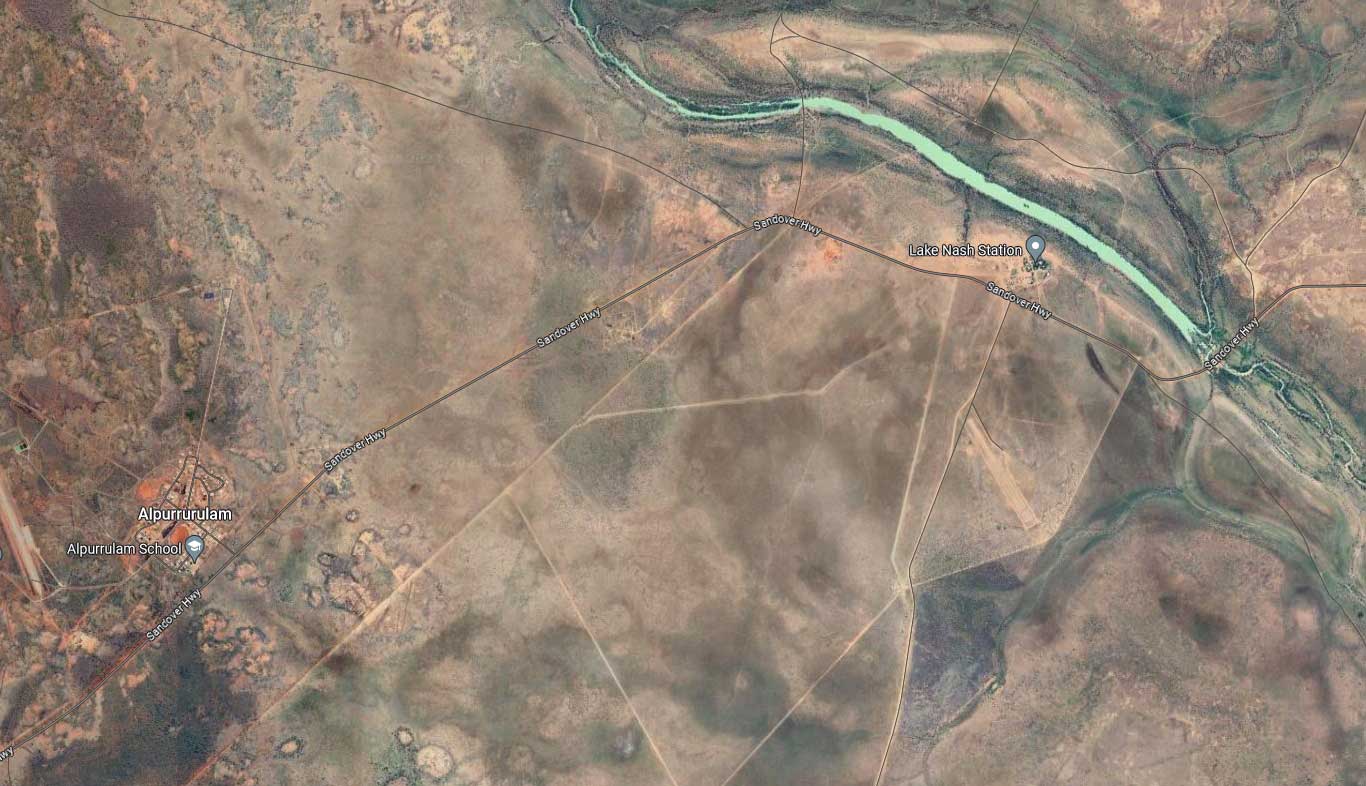
- Fifteen were established by Aboriginal people as a community living area – for example Jilkminggan, Yarralin, Laramba, Alpurrurulam.
- Some are on Crown land, as non-Aboriginal townships are – Kalkarindji is an example.
- Some were established as a pastoral station – Willowra.
- Some started out as an Aboriginal homeland and, over time, developed into a community – Nyirripi.
- Apatula Aboriginal Corporation has freehold title to Apatula (Finke).
The NT Government’s ongoing commitment
As well as providing water, power and sewerage services, the NT Government offers housing to residents of these communities.
What are town camps?
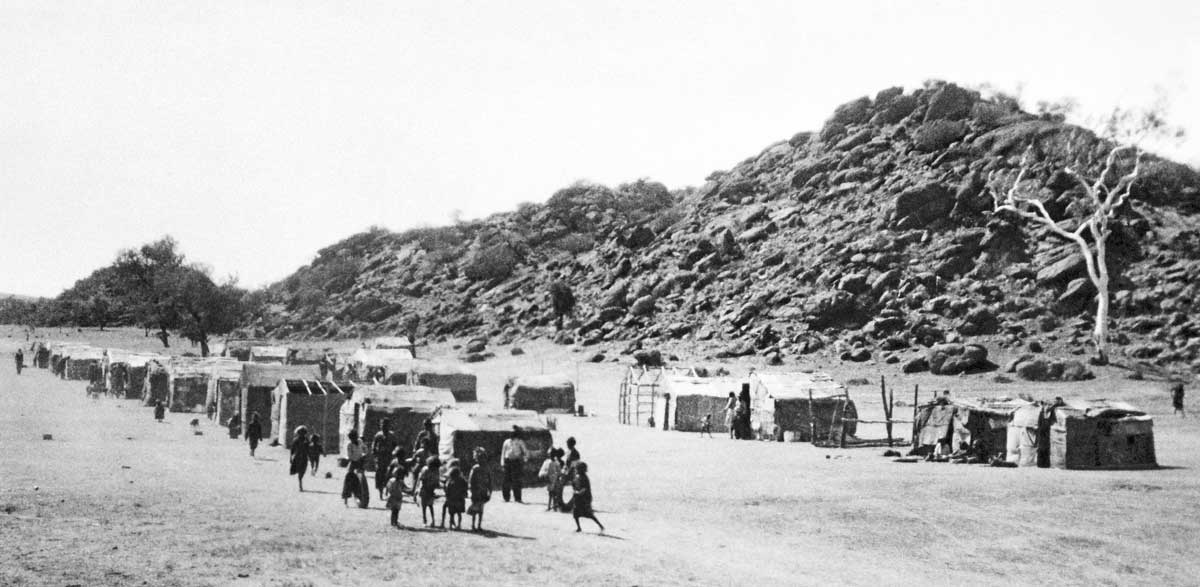
Town camps emerged in response to discriminatory laws and practices that meant Aboriginal people were unable to live within the formal boundaries of the city. In some cases they are on the site of a traditional ceremonial camping area. Each town camp is also linked to one or more remote communities, through kinship and cultural connections.
First emerging in the 1970s, there are now 43 town camps in the Territory. Eighteen are in Alice Springs. Others are in and around Darwin, Tennant Creek, Adelaide River, Jabiru, Pine Creek, Katherine, Elliott, Mataranka and Borroloola (see the map below).
Alice Springs town camps are as old as the town.
Town camps have endured despite efforts by white people to stop them from becoming permanent, and through years without security, piped water, power, sanitation and community services like public transport.
Security of tenure was hard-won, and residents feel a strong connection to their town camps. They are proud that their land and housing can be handed to their children and grandchildren.
Funding for housing
Before 2012, funding for housing and services in town camps was provided by the Commonwealth. Since then, the NT Government has taken responsibility, though the funding has never been sufficient to keep up with the needs of the residents and their homes. In its ‘reform framework’ for town camps, the NT Government acknowledges that the standard and condition of housing in town camps is ‘significantly lower than that of urban public housing and private sector housing’.
Since 2007, the NT Government has a sub-lease over town camps in Alice Springs and Tennant Creek, so it funds a complete housing management service. Others are the responsibility of leaseholder organisations, and the NT Government provides grant funding to contribute to repairs and maintenance of the houses.
Urban Areas
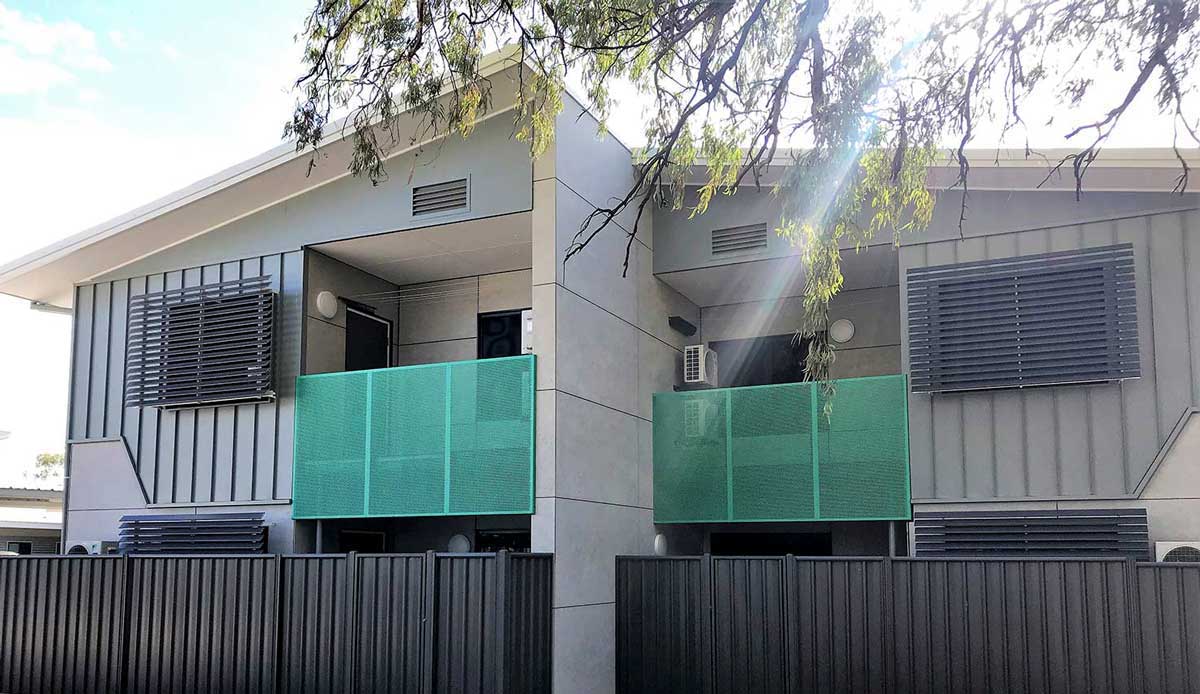
In the Northern Territory, just four places qualify as urban: Greater Darwin (including Palmerston); Katherine, Tennant Creek and Alice Springs.
In each of these places, in addition to public housing, there is an Aboriginal community housing provider (CHP) working hard to provide housing and support for Aboriginal people:
- Darwin has Yilli Rreung Housing Aboriginal Corporation.
- Katherine has Kalano Community Association.
- Tennant Creek has Julalikari Aboriginal Corporation – as well as a young corporation working on an alternative way to fund, design and build housing: Wilya Janta Aboriginal Corporation.
- Alice Springs has Community Housing Central Australia (CHCA).